
Creating Capacity
When Health Becomes a Full-Time Occupation

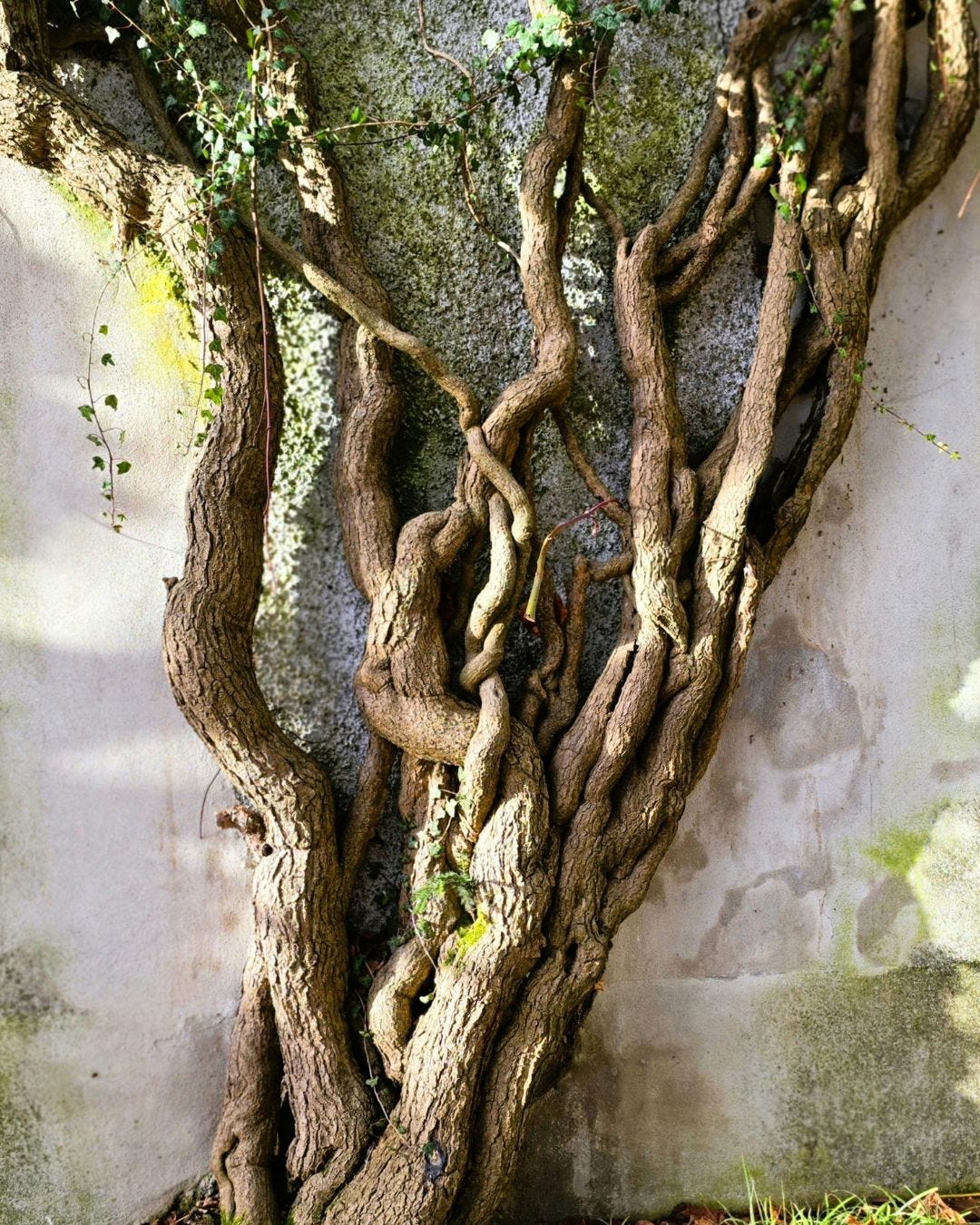
Year after year, patient after patient, I meet people carrying increasingly complex health stories. Rarely is there a single diagnosis, a single symptom, or a single cause. Instead, there are layers: digestive complaints alongside anxiety and insomnia; autoimmune disease alongside fatigue and pain; hormonal imbalances alongside food intolerances and insulin resistance; chronic inflammation alongside depression; heart disease alongside fatty liver disease. Over time, medications, supplements, appointments, referrals, scans, blood tests, and treatment recommendations accumulate, creating a health story that can feel increasingly difficult to navigate.
For many, the work of managing their health becomes almost as consuming as the conditions themselves. Their days are filled with appointments, treatments, research, symptom tracking, medication schedules, and an endless stream of information that often feels fragmented, contradictory, and difficult to make sense of. Health can become a full-time occupation.
When the work of managing health consumes most of a person's energy, little capacity remains for healing itself.
One of the things I have always appreciated about naturopathy is its willingness to step back and look at the whole picture. Rather than viewing each diagnosis, symptom, or body system in isolation, we look for relationships, patterns, and common threads. We ask how seemingly unrelated symptoms may be connected and whether there is an underlying terrain upon which they have emerged.
Finding those connections remains an important part of holistic practice. Yet over the years I have come to appreciate that identifying the common threads is not always the first step.
Sometimes the person sitting in front of me is simply carrying too much. Too much responsibility for managing their health. Too many decisions to make. Too many appointments to attend. Too much information to process. Too much exhaustion to take on one more recommendation, no matter how sensible it may be.
In these moments, creating capacity becomes the work. Creating enough space, energy, clarity, and support for the person to participate in their healing rather than feeling buried beneath it. Creating enough steadiness for them to catch their breath, regain their footing, and reconnect with themselves beneath the weight of symptoms, diagnoses, and treatment plans.
Only then can we begin to gently untangle the story.
This piece draws from themes I explore in my forthcoming book, This Is How We Heal. Over the coming months, I'll be sharing reflections, stories, and ideas from the book here because I believe these conversations belong in community, not just on a shelf.
Creating Capacity
Over the years, I have come to appreciate that healing is rarely about doing more. More often, it begins by creating enough space for the body and mind to respond to what is already being asked of them.
When a person is overwhelmed by symptoms, appointments, medications, treatment plans, responsibilities, and the everyday demands of life, even the most thoughtful recommendations can feel impossible to implement. A healing plan may make perfect sense on paper, yet still exceed the person’s capacity to engage with it.
This has changed the way I practise.
Rather than attempting to address every possible contributing factor at once, I increasingly focus on helping people strengthen the foundations that support health and create room for healing to occur. We look for what is already working. A daily walk. A nourishing meal. Time in nature. A supportive relationship. Meaningful work. Moments of rest. Small but significant threads of wellbeing that can be strengthened and woven together over time.
As capacity begins to return, people often find they have more energy, greater clarity, improved resilience, and a renewed ability to participate in their own healing. From this place, the deeper work of untangling the story becomes far more possible.
Creating capacity means creating enough space, energy, clarity, and support for a person to participate in their healing rather than feeling buried beneath it.
One of the quiet tragedies of chronic illness is how easily it can shape a person’s sense of self. Over time, people can begin to see themselves primarily through the lens of diagnoses, symptoms, limitations, and treatments. Yet illness is only one part of a person’s story. Beneath the symptoms remains the individual with their relationships, dreams, strengths, gifts, interests, and capacity for healing.
Part of creating capacity is creating enough space for that person to emerge again.
Healing asks us to remember the person beneath the symptoms and to create enough space, energy, and support for that person to emerge again.
If this resonates, consider these questions:
Where in your life are you carrying too much?
Consider your health, responsibilities, commitments, treatments, and expectations.
What is already supporting your wellbeing?
Identify the foundations that are working and consider how they might be strengthened.
What would creating more capacity look like for you right now?
More rest? More support? More simplicity? More connection?
If you would like to explore this idea more deeply, listen to my podcast episode, This Is How We Heal. In this episode, we move beyond fragmented diagnoses. We explore how multiple conditions interact within the body and, more importantly, how to reclaim your health by "threading the good, " focusing on your existing strengths to build a foundation for genuine recovery.
And if you are feeling lost in a tangle of symptoms, diagnoses, medications, supplements, or conflicting advice, this is the work I do every day in clinic. You are welcome to book a naturopathic consultation and explore your health story through a holistic lens.
If you love reading my work, consider becoming a member of Staying Healthy Together Club on Akademeia by Anthia, my online school, which gives you access to my entire library of health resources, eBooks, courses and programs, live webinars, and a community of like-minded people committed to health, healing, and lifelong learning.
I would love to know…
Have you ever felt that managing your health became a full-time job?
What helped you find your way back to yourself?
Reply here, or simply sit with the question.
With warmth,
Anthia
This Is How We Heal is coming. If someone you love needs to read this, please share it with them.